


In a world characterized by constant change and demands, the quest for balance has never been more crucial. The ancient philosophy of Yin and Yang offers profound insights into achieving harmony in our lives, emphasizing that opposites are interconnected and interdependent. This concept, rooted deeply in Chinese culture, serves as a guiding principle not only for personal well-being but also for holistic health practices.
Origins of Yin and Yang
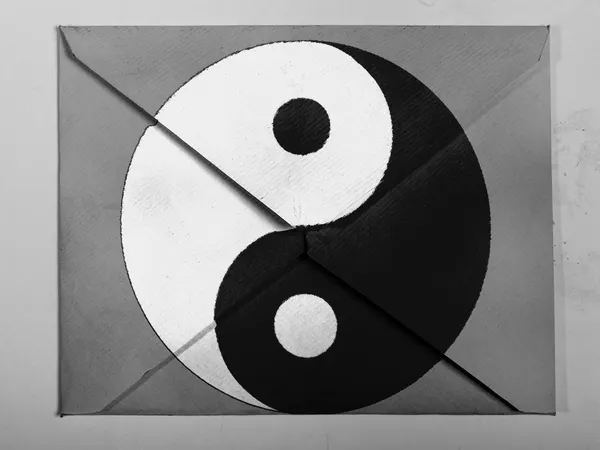
The origins of Yin and Yang can be traced back over 2,500 years to ancient Chinese philosophy, particularly within the texts of Taoism. It represents dualities—Yin, associated with darkness, femininity, and passivity, contrasts with Yang, which embodies light, masculinity, and activity. This duality is not merely oppositional; rather, it illustrates how these forces complement each other to create a harmonious whole.
Philosophically, Yin and Yang is foundational to understanding the universe’s dynamics. It suggests that everything contains both elements, which are constantly interacting to maintain balance. This principle has influenced various aspects of Chinese culture, including art, politics, and medicine.
Yin and Yang in Everyday Life
In our daily lives, the principles of Yin and Yang manifest in various forms. For instance, consider the balance between work (Yang) and rest (Yin). Overworking can lead to burnout, while excessive rest may result in stagnation. Recognizing these dynamics helps individuals create a more balanced lifestyle.
Moreover, personal relationships often reflect this interplay; nurturing (Yin) must be balanced with assertiveness (Yang) to foster healthy interactions. By being aware of these patterns, individuals can cultivate environments that promote well-being both personally and socially.
Yin and Yang in Health and Chinese Medicine
In traditional Chinese medicine (TCM), Yin and Yang are essential concepts that inform diagnostic practices and treatment strategies. Health is viewed as a state of equilibrium between these forces; when they are out of balance, illness can occur. For example, excessive Yang energy may lead to symptoms such as inflammation or anxiety, while too much Yin can result in fatigue or depression.
Practitioners assess these imbalances through various methods, including pulse diagnosis and observation of physical symptoms. Treatments often involve herbal remedies, acupuncture, and lifestyle adjustments aimed at restoring harmony.
Balancing Our Yin and Yang
Achieving balance between Yin and Yang requires conscious effort and self-awareness. Individuals must recognize their tendencies—whether they lean towards overactivity or passivity—and make adjustments accordingly. Strategies may include setting boundaries at work to ensure adequate rest or engaging in activities that promote relaxation.
Mindfulness practices such as meditation can enhance self-awareness by helping individuals tune into their internal states. This awareness is the first step toward making informed choices that foster balance.
Breathing for Balance
Breathing techniques play a vital role in achieving balance between Yin and Yang. Mindful breathing exercises can help regulate stress responses while promoting relaxation—a quintessentially Yin activity amidst the fast-paced demands of modern life.
Practices such as diaphragmatic breathing encourage deeper inhalation and exhalation cycles that calm the nervous system. Engaging in these techniques regularly can significantly improve mental clarity, emotional stability, and overall health.
Sleeping for Balance
Sleep is another critical component of maintaining equilibrium between Yin and Yang. Quality sleep restores energy levels (Yang) while promoting recovery (Yin). Insufficient sleep can lead to an imbalance characterized by irritability or fatigue.
To enhance sleep quality, individuals should establish a consistent bedtime routine that includes relaxation techniques such as reading or gentle stretching before bed. Creating a sleep-conducive environment—dark, cool, and quiet—also supports restorative sleep patterns.
Eating for Balance
Nutrition is integral to balancing Yin and Yang. Foods are often categorized based on their energetic properties; for instance, warming foods like ginger represent Yang, while cooling foods like cucumber represent Yin. A balanced diet incorporates both types to support overall health.
To achieve this balance, individuals should focus on consuming a variety of whole foods while being mindful of their body’s responses to different foods. Seasonal eating can also help align dietary choices with natural rhythms.
Balancing Physical Activity
Physical activity is essential for maintaining health through the lens of Yin and Yang. Engaging in vigorous exercise promotes Yang, while activities like yoga or tai chi emphasize Yin. A well-rounded fitness regimen should include both high-energy workouts as well as restorative practices.
Individuals should listen to their bodies when determining the appropriate level of activity; overexertion can lead to fatigue (a sign of excessive Yang), while too little movement may result in stagnation (excessive Yin). Striking this balance enhances physical health while supporting emotional well-being.
Conclusion
The philosophy of Yin and Yang offers valuable insights into achieving balance across various aspects of life—from health practices to daily routines. By understanding these principles, individuals can cultivate a lifestyle that promotes harmony within themselves and their environments. Embracing this ancient wisdom encourages us all to seek equilibrium amidst life’s challenges, leading to improved health outcomes and enhanced quality of life.